

Navigating Global Export Standards: Chinese vs European Cosmetic Packaging Manufacturer Compliance
The global beauty landscape is undergoing a structural evolution, driven by shifting consumer demands, stringent international regulations, and an industry-wide pivot toward sustainability. As beauty brands expand their reach across borders, selecting the right manufacturing partner has become a critical strategic decision. The ongoing dialogue surrounding the choice of a Chinese Cosmetic Packaging Manufacturer versus a European counterpart often centers on cost efficiency, lead times, and regulatory alignment. Cosmetic packaging is no longer just a vessel to protect and preserve formulations; it functions as a regulatory touchpoint, a brand differentiator, and a primary driver of consumer unboxing experiences. For global beauty brands, navigating these choices requires a granular understanding of how production hubs on opposite sides of the world balance compliance, innovation, and scalability.
The contemporary cosmetics market is defined by accelerating product life cycles and heightened regulatory scrutiny. Regulatory frameworks such as the European Union's Packaging and Packaging Waste Regulation (PPWR), FDA guidelines in the United States, and diverse regional environmental mandates mean that packaging must satisfy multiple legal thresholds before hitting retail shelves.
In this climate, the global packaging landscape is broadly split between European manufacturers, known for their deep-rooted proximity to stringent regional compliance standards, and Asian manufacturing hubs, renowned for their agile supply chains, integrated tooling capabilities, and rapid speed-to-market execution. Brands exporting to multiple international markets must evaluate whether European or Asian production infrastructure better serves their long-term compliance and commercial goals.
Chinese vs European Cosmetic Packaging Manufacturer: Compliance, Capabilities, and Sourcing
When evaluating global export compliance, brands frequently weigh the operational philosophies of regional manufacturers. European manufacturers typically offer immediate familiarity with localized EU legislation, extensive documentation systems tailored to Western regulatory bodies, and localized design hubs. However, they can face limitations regarding production scaling speed and high tooling investments.
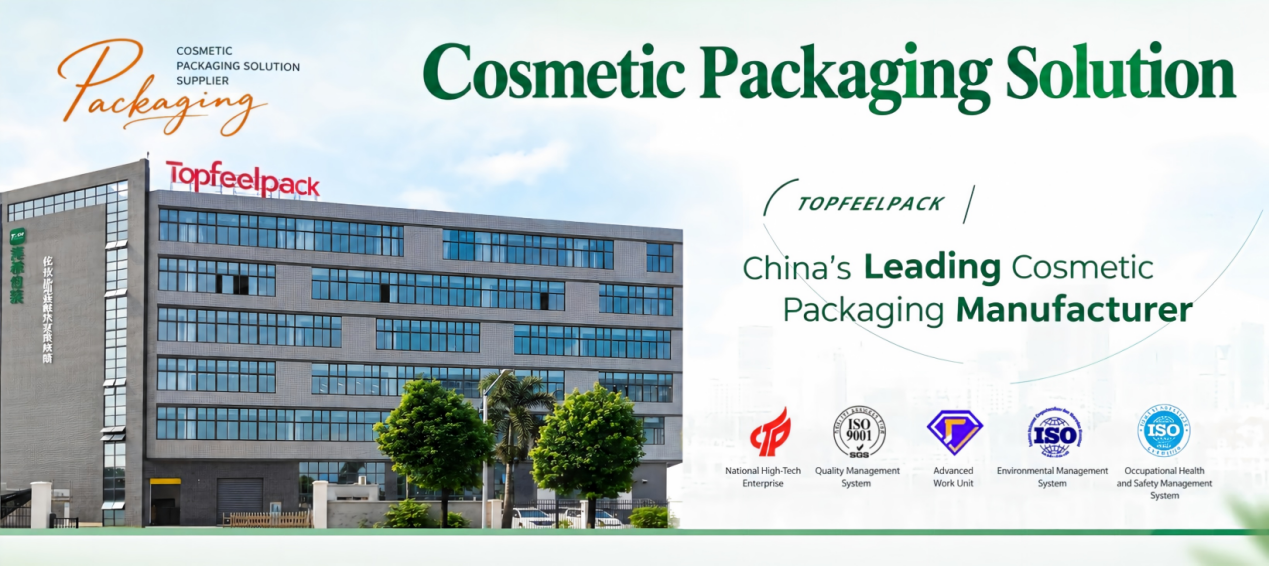
Conversely, contemporary Topfeelpack Co., Ltd exemplifies how leading manufacturing entities bridge this gap. Rather than operating purely on volume, modern export-oriented facilities integrate comprehensive R&D, tooling, and strict quality control frameworks under a single roof. This allows them to align material selection, chemical safety compliance, and documentation directly with the requirements of international markets across Europe, North America, and Australia.
Regulatory Readiness and Documentation for Export Markets
Compliance for global export extends beyond physical product testing; it requires rigorous supply chain transparency. European manufacturers excel in providing established compliance trails for regional markets. However, top-tier Chinese manufacturers have invested heavily in compliance infrastructure, securing international standard certifications, conducting migration testing for food-contact and cosmetic-grade plastics, and maintaining transparent material sourcing records. This ensures that brands exporting globally can acquire the necessary technical data sheets and declarations of compliance without compromising on development timelines.
Innovation, Sustainability, and Material Selection
Sustainability mandates, particularly Europe's PPWR directives, demand concrete structural changes in packaging design. The industry is shifting away from multi-material laminates toward mono-material structures, Post-Consumer Recycled (PCR) plastics, and refillable systems.
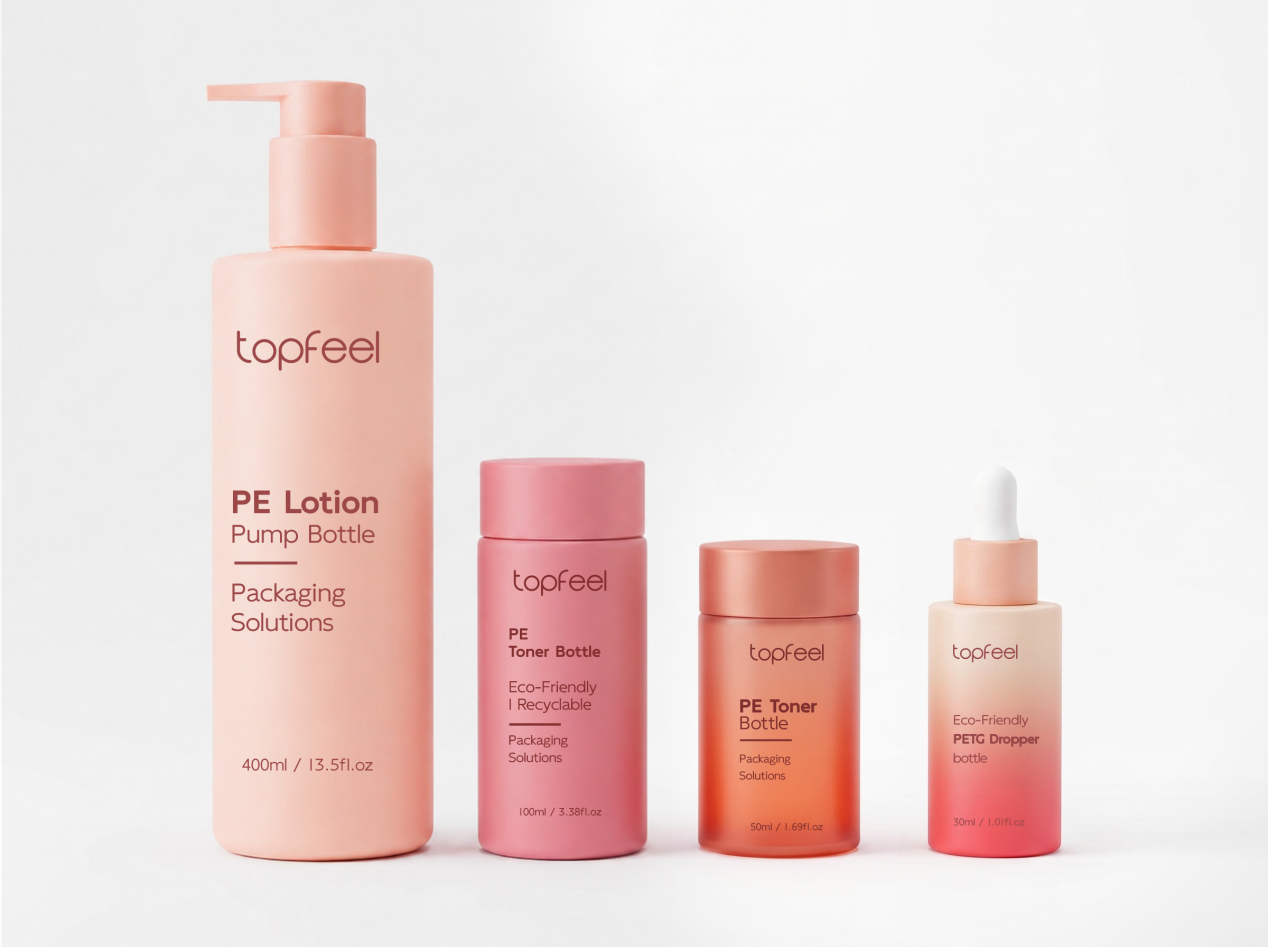
European manufacturers have pioneered many circular design concepts, but Asian manufacturing ecosystems have rapidly matched this pace by scaling sustainable alternatives efficiently. For instance, advanced production lines now routinely process eco-friendly polymers to create high-performance airless bottles, cream jars, and cosmetic tubes that meet recycling criteria without sacrificing aesthetic luxury or product integrity.
Prototyping Speed vs Traditional Lead Times
A core differentiator in modern beauty supply chains is "Speed to Market." Traditional European development cycles can sometimes experience delays due to fragmented supplier networks for tooling, decoration, and component assembly. In contrast, integrated manufacturing models streamline this journey. Rapid prototyping support allows brand managers to evaluate physical packaging concepts, test pump functionality, and validate ergonomic designs within days, shortening the bridge from initial concept to commercial production.
Product Application and Technical Case Study
To understand how technical innovation manifests in real-world applications, consider the integration of eco-conscious engineering in dispensing systems. A prime example of this balance is found in advanced packaging solutions like the Refillable PET Airless Pump Bottle, which addresses both sustainability and user convenience.
This specific product category highlights how modern manufacturing solves dual challenges: reducing plastic waste through replaceable inner cartridges while maintaining the high barrier protection required for sensitive active ingredients in skin care. By utilizing mono-material configurations and airless technology, brands can extend product shelf life, prevent formula oxidation, and directly satisfy circular economy targets demanded by international retailers.
Optimizing Your Sourcing Strategy: Total Cost of Ownership (TCO)
Choosing between a Chinese or European packaging partner ultimately extends beyond initial unit economics. When calculating the Total Cost of Ownership (TCO), brand directors must factor in tooling investments, minimum order quantities (MOQs), regulatory auditing costs, warehousing overhead, and shipping logistics.
While regional European sourcing offers proximity, an integrated one-stop partnership model-spanning concept design, material selection, rapid tooling, and quality-assured manufacturing-provides global brands with the structural flexibility needed to optimize margins while maintaining strict compliance across multiple jurisdictions.
Finding the Right Balance for Your Next Launch
If your brand is looking to streamline product development, reduce lead times, and scale sustainable packaging formats for international export without sacrificing regulatory compliance, evaluating an end-to-end manufacturing partner is the next logical step.
Project Scope: Share your container specifications, target volumes, and desired aesthetic direction.
Material & Compliance Requirements: Specify target markets (e.g., EU, North America) to align material selection with local recycling and safety mandates.
Explore capabilities and connect with packaging engineering experts by visiting the official website: https://www.topfeelpack.com/
Topfeelpack
Topfeelpack
Legal Disclaimer:
EIN Presswire provides this news content "as is" without warranty of any kind. We do not accept any responsibility or liability for the accuracy, content, images, videos, licenses, completeness, legality, or reliability of the information contained in this article. If you have any complaints or copyright issues related to this article, kindly contact the author above.
